Bending molds
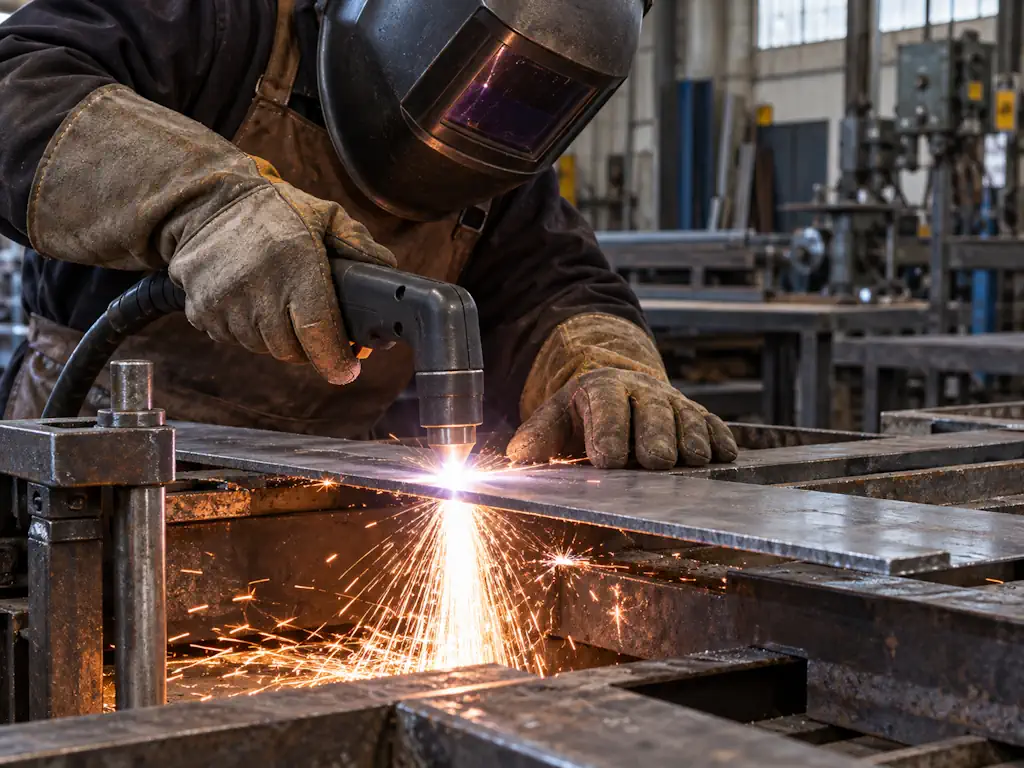
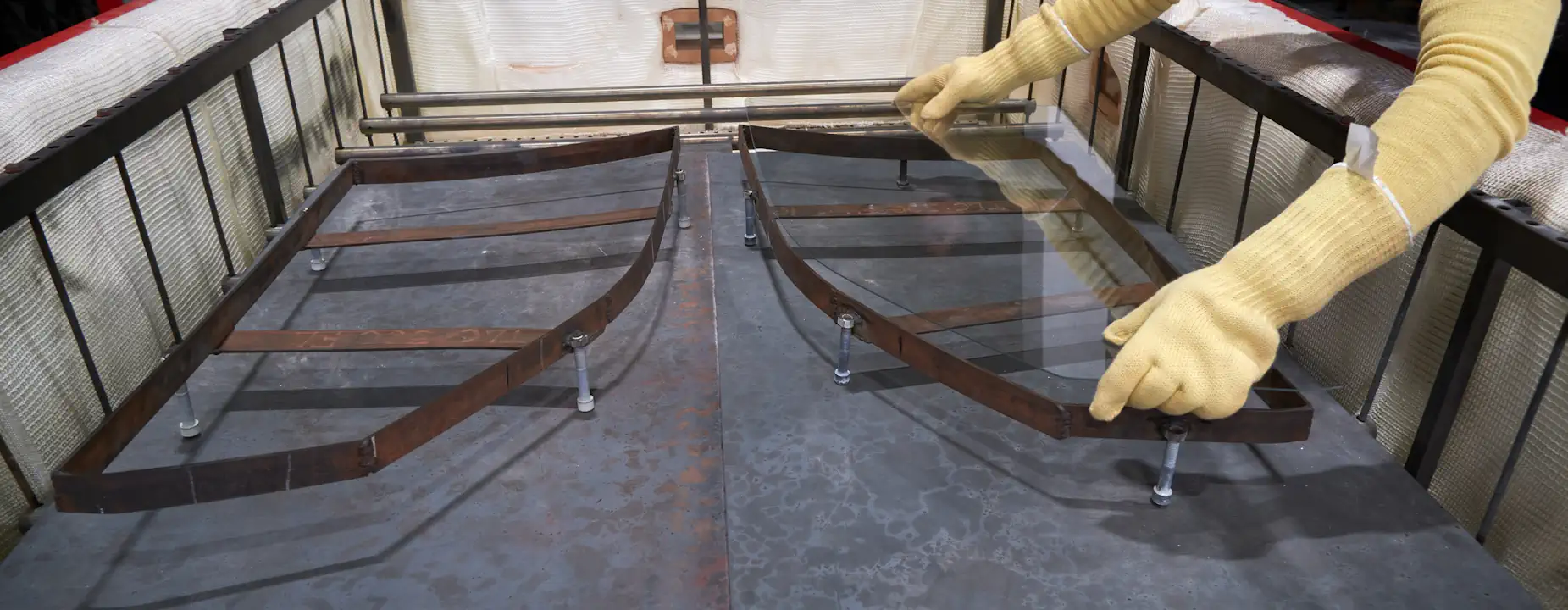
AO Octoglass manufactures perimeter molds for gravity glass bending — tooling whose edges support the blank in the furnace. The glass is heated to the softening temperature and takes the intended curvature under its own weight. Slow cooling then follows so stresses from bending can relax. We design and build molds from an original glass part or from the customer’s 3D model and flat drawings. The route includes metalworking, assembly, fine dressing, and mold annealing to relieve process stresses. For series use we also make a metal counterpart that lets you periodically verify that the mold still holds its geometry.
Tooling for gravity bending
AO Octoglass manufactures glass-bending molds — perimeter tooling for the gravity method. Unlike a solid matrix, the glass rests on the mold edges: heated to the softening temperature, the sheet settles under its own weight and takes the required curvature.
After forming, the cycle ends with slow cooling — annealing — during which stresses from bending relax in the glass. Without a correct thermal regime, geometry and integrity are at risk, so the mold and the furnace program are treated as one linked system.
For automotive use we make tooling for both side glass and windshields. For oversized glazing — for example, bus glass — send an enquiry: we will assess fit and route separately against size and geometry.
Manufacturing routes
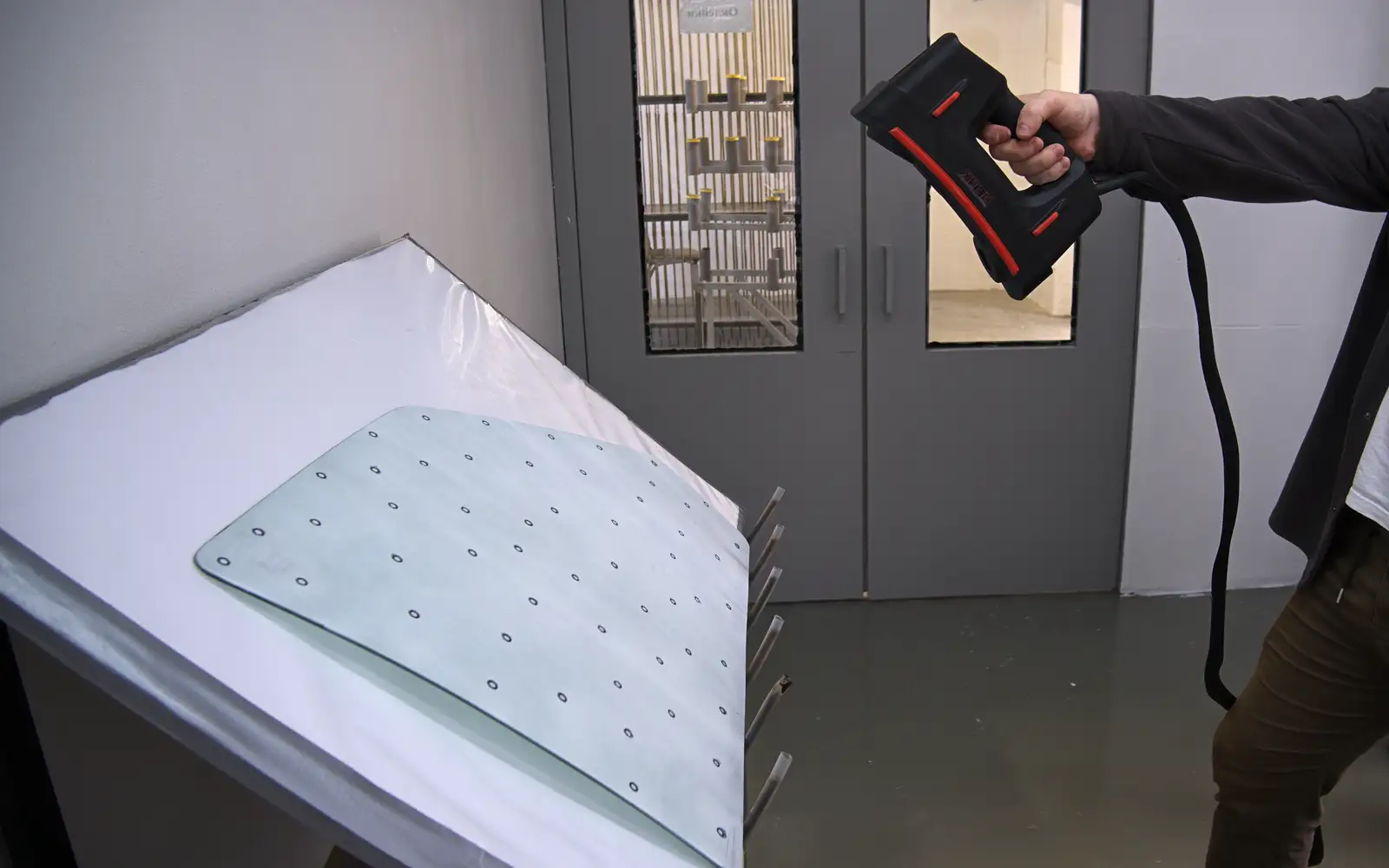
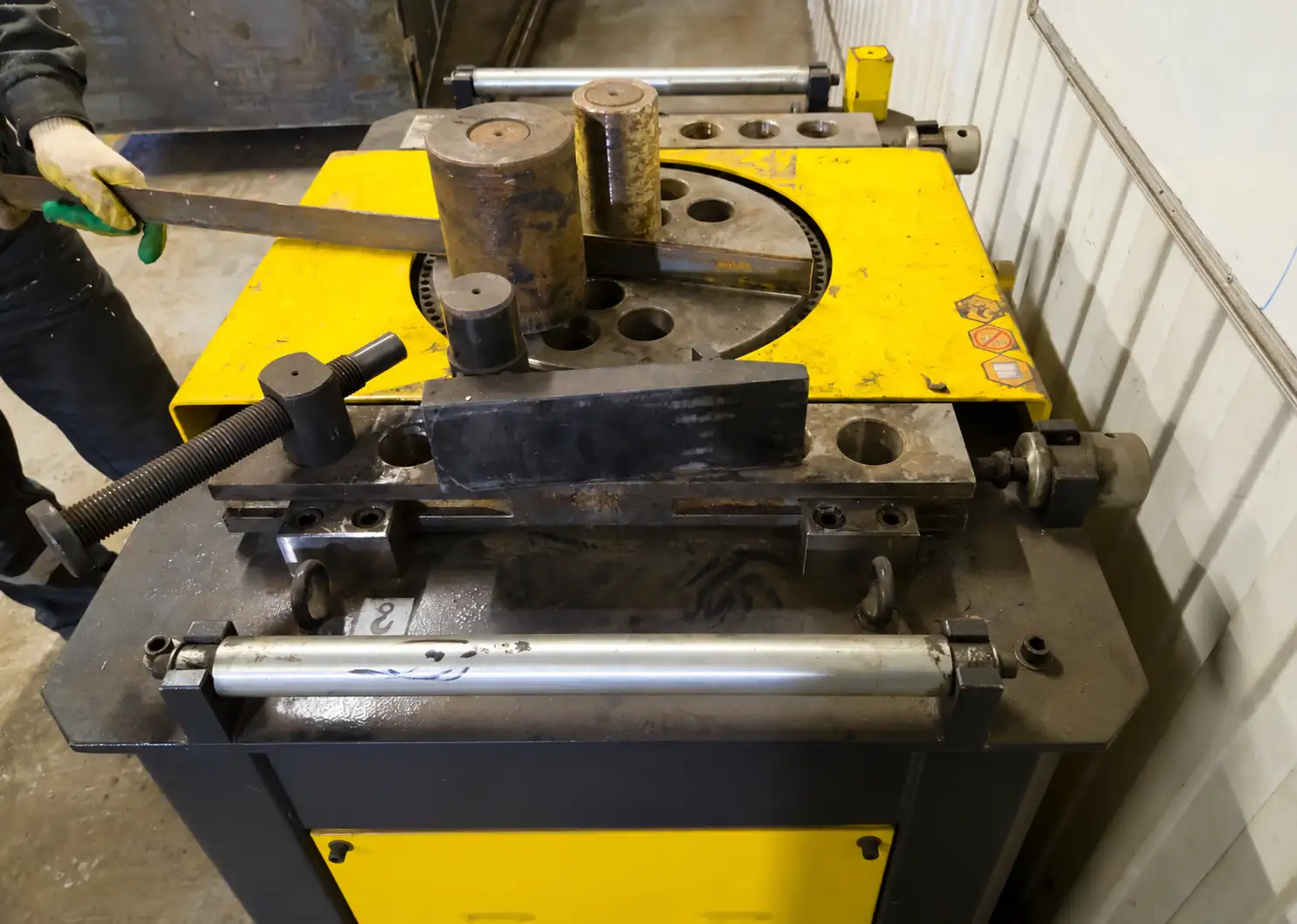
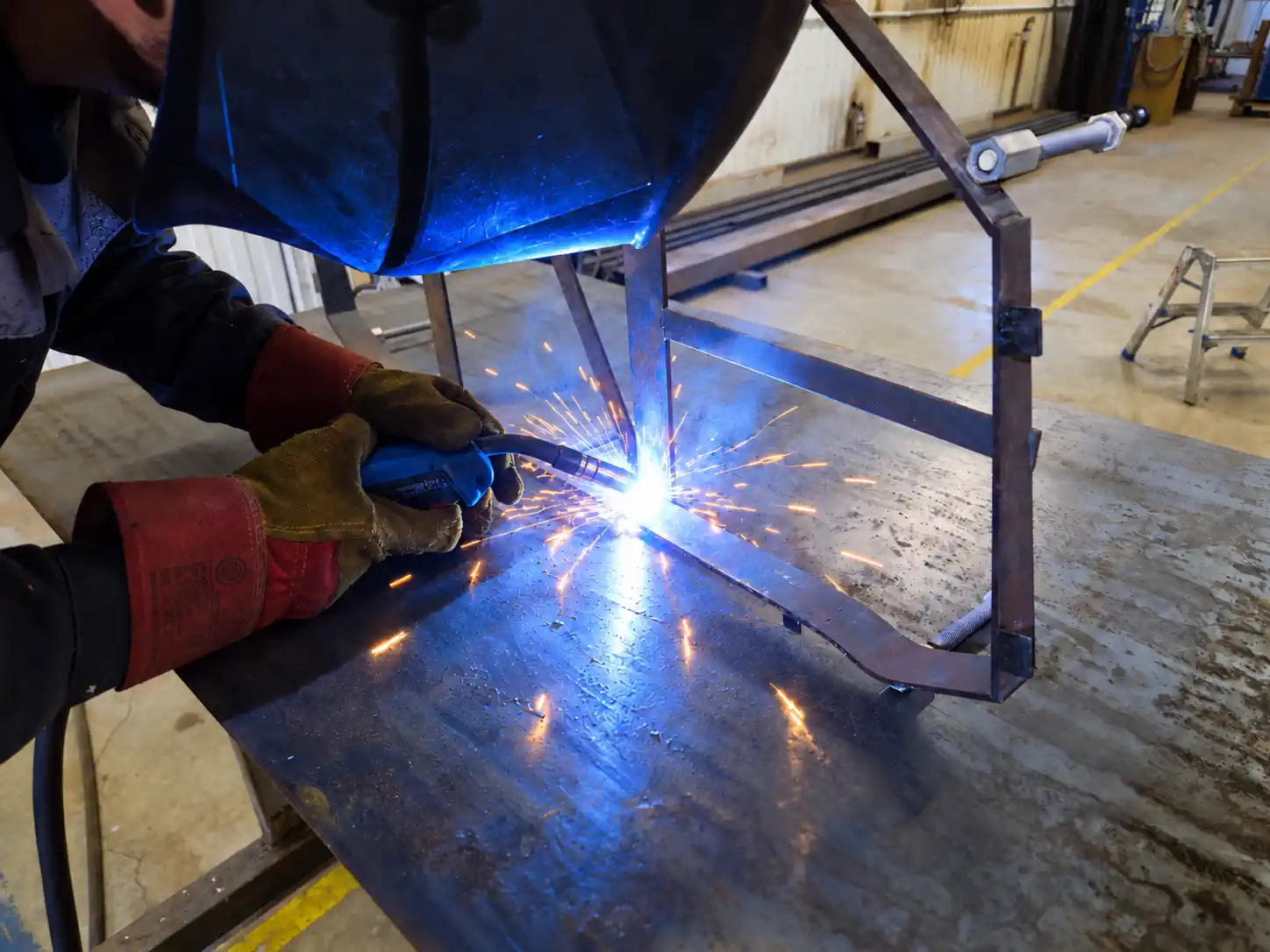
Tooling can be made by two routes. If an original glass part exists, it is scanned first; then a 3D model is built, flat metalworking drawings and assembly drawings are prepared, and the mold is cut, bent, and assembled.
If a 3D model or flat drawing is already available, the required working documentation is prepared and the same process stages follow. At the end the mold is finely dressed and annealed to relieve stresses from bending, welding, and other operations.
Tooling quality depends not only on metalworking, but on how completely geometry is locked at the input. The more precise the inputs — a scan of the original, an agreed model, unambiguous fit dimensions — the shorter the path from a first rough outline to a mold ready for a furnace cycle. If data is thin, at assessment we help define the minimum set without which designing a perimeter support would be guesswork.
The chain “model → drawings → cutting and bending → assembly → dressing → anneal” is kept as one AO Octoglass production route, not a set of disconnected subcontracted steps. That makes it easier to own the final mold geometry and to interface the tooling with subsequent glass bending on the same Octoglass site or at the customer’s plant.
Service life and geometry control
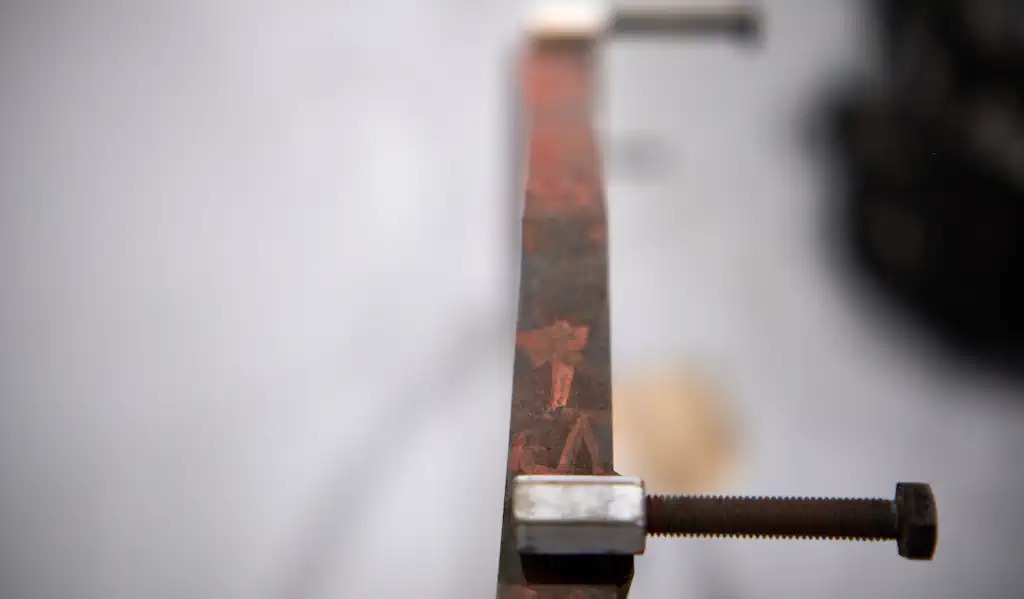
In service the tooling sees cyclic heating and cooling, so it can drift over time — how much depends strongly on the bending program. Octoglass makes a metal counterpart against which mold geometry is checked periodically so departure from nominal is caught in time.
We also manufacture electrochromic glass, whose requirements are two orders of magnitude stricter than typical industry practice. That is why we treat bending-mold quality and the bending process itself with heightened responsibility: tooling must deliver repeatable curvature, not an “approximate” bend.
Capabilities
Perimeter tooling
Glass rests on the mold edges and takes curvature by the gravity method.
From original or model
Route from sample scanning or from an existing 3D model and drawings.
Dressing and mold anneal
Fine geometry dressing and annealing to relieve stresses after bending and welding.
Geometry check
A metal counterpart for periodic mold checks in service.
How we work
01
Inputs
Original glass, a 3D model, or flat drawings; agreeing the task and tooling boundaries.
02
Model and drawings
3D scanning if needed; then a 3D model, flat metalworking drawings, and assembly drawings.
03
Metalworking and assembly
Cutting, metal bending, and assembly of the perimeter mold to the agreed documentation.
04
Dressing, anneal, and check
Fine dressing, mold annealing, and — when required — a counterpart for geometry checks.
What we need from you
Original, model, or drawing
A glass sample to copy, or a 3D model / flat drawings for tooling design.
Use and fit
Where the mold will run, which radii and fit are critical, and any bending-program constraints.
In-service inspection
Whether a metal counterpart is needed for periodic mold geometry checks.
Related stages
Whether 3D scanning, glass bending, or further glazing assembly on the Octoglass site will follow.
Production