Transport glazing retrofit
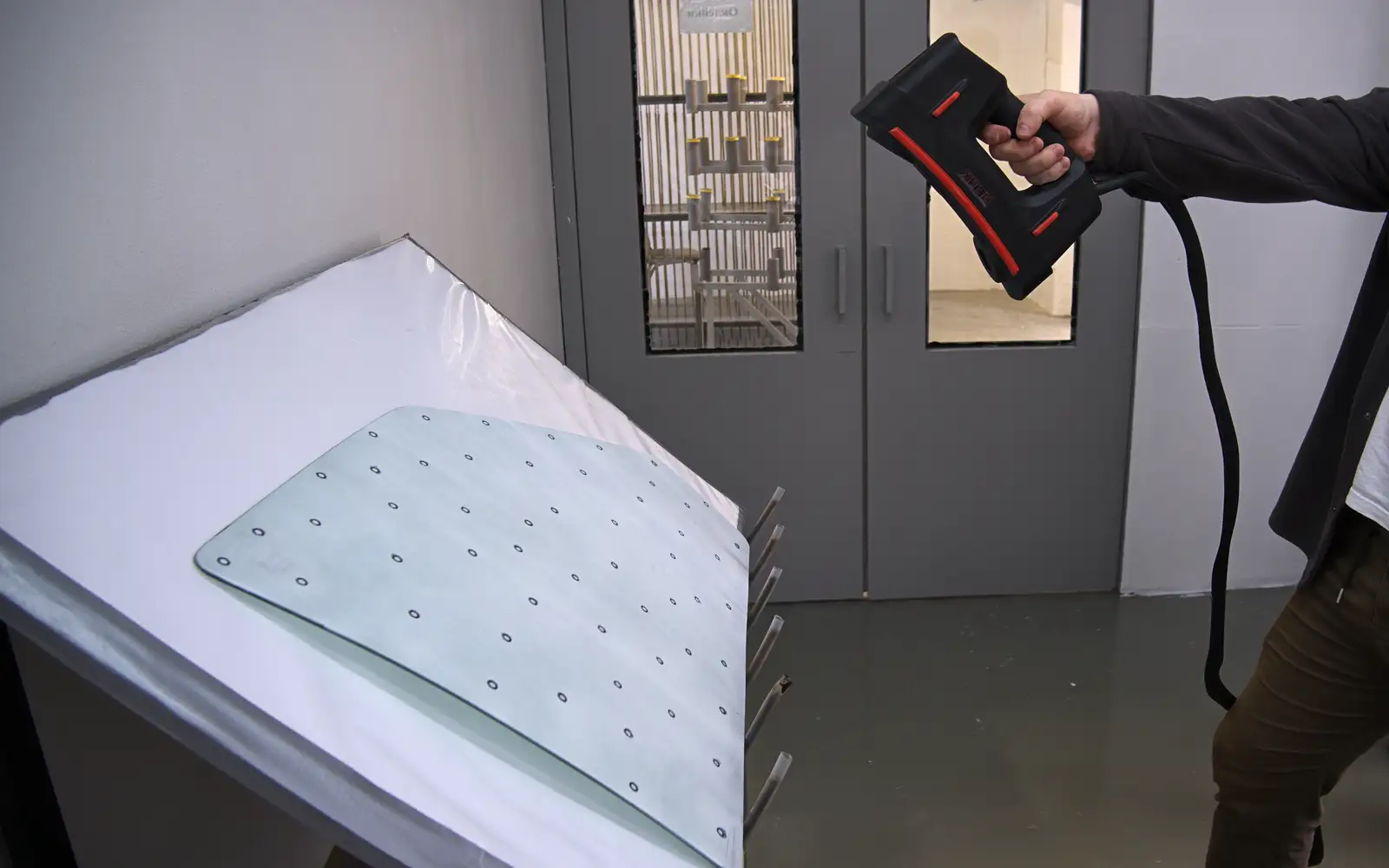
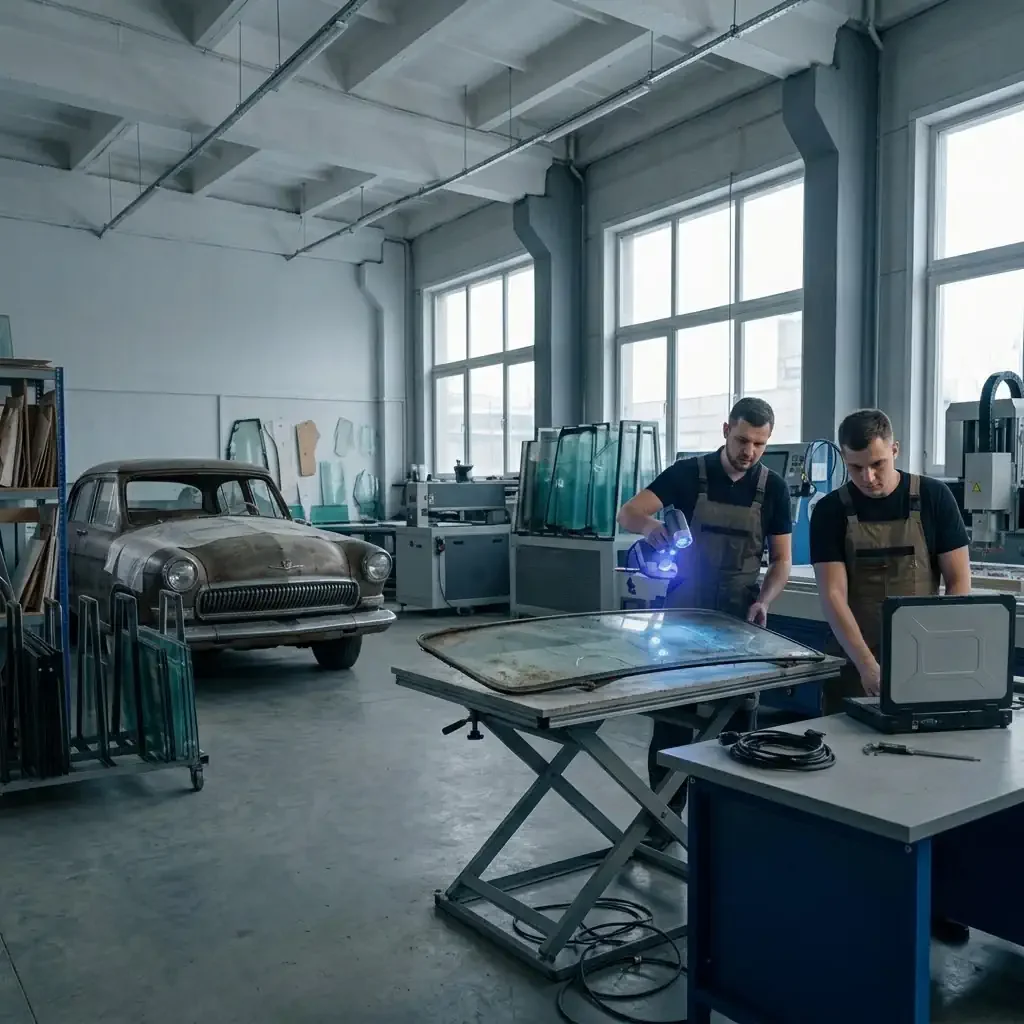
Octoglass manufactures glazing for vehicles where glass can no longer be bought — a vehicle that is too old, a custom build, watercraft, or a serial part that is prohibitively expensive. This is an individual full-cycle project: from geometry capture to a laminated part. An original glass sample for scanning is preferred — even broken, if the overall shape remains, or mirroring of the surviving side may be used. In especially complex cases geometry can be reconstructed without a usable original — that is already a special project.
Custom vehicle glazing
Glazing retrofit at Octoglass means manufacturing glass for a specific vehicle when a serial part can no longer be bought or its price makes replacement pointless. Typical cases: a vehicle that is too old, a rare model, a custom build, watercraft, or equipment whose glazing is out of production. Each such order is an individual project — not “pick from stock”.
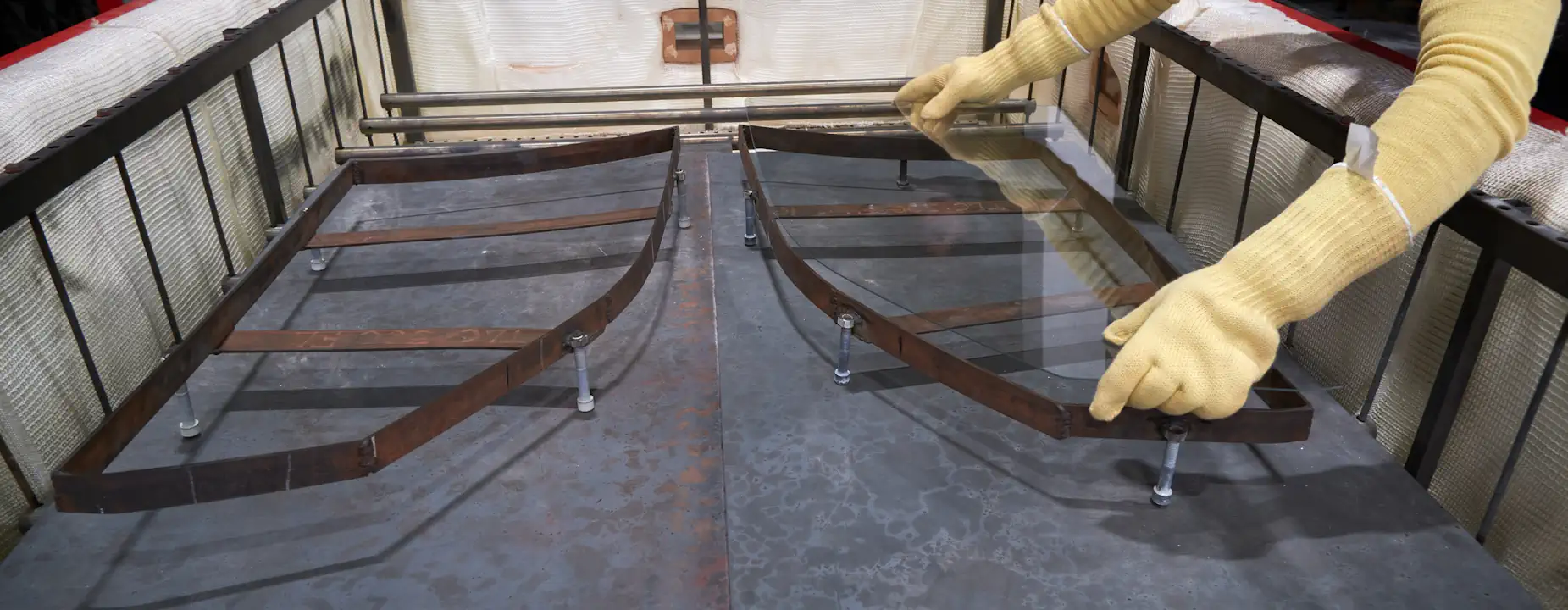
We close the route on our own site: from geometry capture and drawing development to tooling, bending, and lamination. The customer does not need to assemble a chain of disconnected contractors — ownership of fit and the final construction stays in one loop.
Geometry and source sample
For an accurate fit, an original glass sample available for 3D scanning is preferred. A damaged sample can work — if the overall shape remains and the outline can be recovered. Sometimes mirroring of the surviving glass from the opposite side may be used: we account for symmetry when preparing the model.
If no usable original exists, in especially complex cases geometry can be reconstructed from the body, opening, and available data. In any case drawings and models must be prepared; several iterations may be required. That route is treated as a special project: scope, risk, and timing are agreed separately, without promising to “rebuild everything from a photo in one step”.
Result and audience
The output is laminated glass. Functions from our laminated-glazing range can be built into the construction — within what fits the specific geometry and task. The exact option set is locked at assessment, not “every function at once without checking fit”.
The service suits restoration workshops, yards, and companies that build cars, custom bodies, or glazing for watercraft and other vehicles themselves. A vehicle type and model, glass type, photos, and a note on whether an original exists for scanning are enough to start. Related stages — 3D scanning, bending, and lamination — can sit in the same enquiry.
Capabilities
When glass is unavailable
Cars, watercraft, and other vehicles — classic, rare, and custom, or when serial glazing is too expensive.
From the original
Scanning preserved glass, including damaged pieces, if the shape is still readable.
Laminated result
The output is laminated glass; functions from our lamination range are available.
Full cycle
Scanning, drawings, tooling, bending, and lamination on one site.
How we work
01
Brief and source
Vehicle type and model, glass type, photos, and whether an original exists for scanning.
02
Geometry
3D scanning of the original or, as a special project, geometry reconstruction with drawings and models.
03
Manufacture
Drawings, tooling if needed, bending, and lamination.
04
Check and handover
Part check and handover to the customer or the next route.
What we need from you
Task description
Vehicle type, make/model, glass type (side, windshield, etc.), and the retrofit goal.
Original for scanning
Preserved glass is preferred — even broken, if the overall shape is readable; or mirroring of the surviving side may be used.
Photos and constraints
Body/opening angles, fit, tolerances, and required lamination functions.