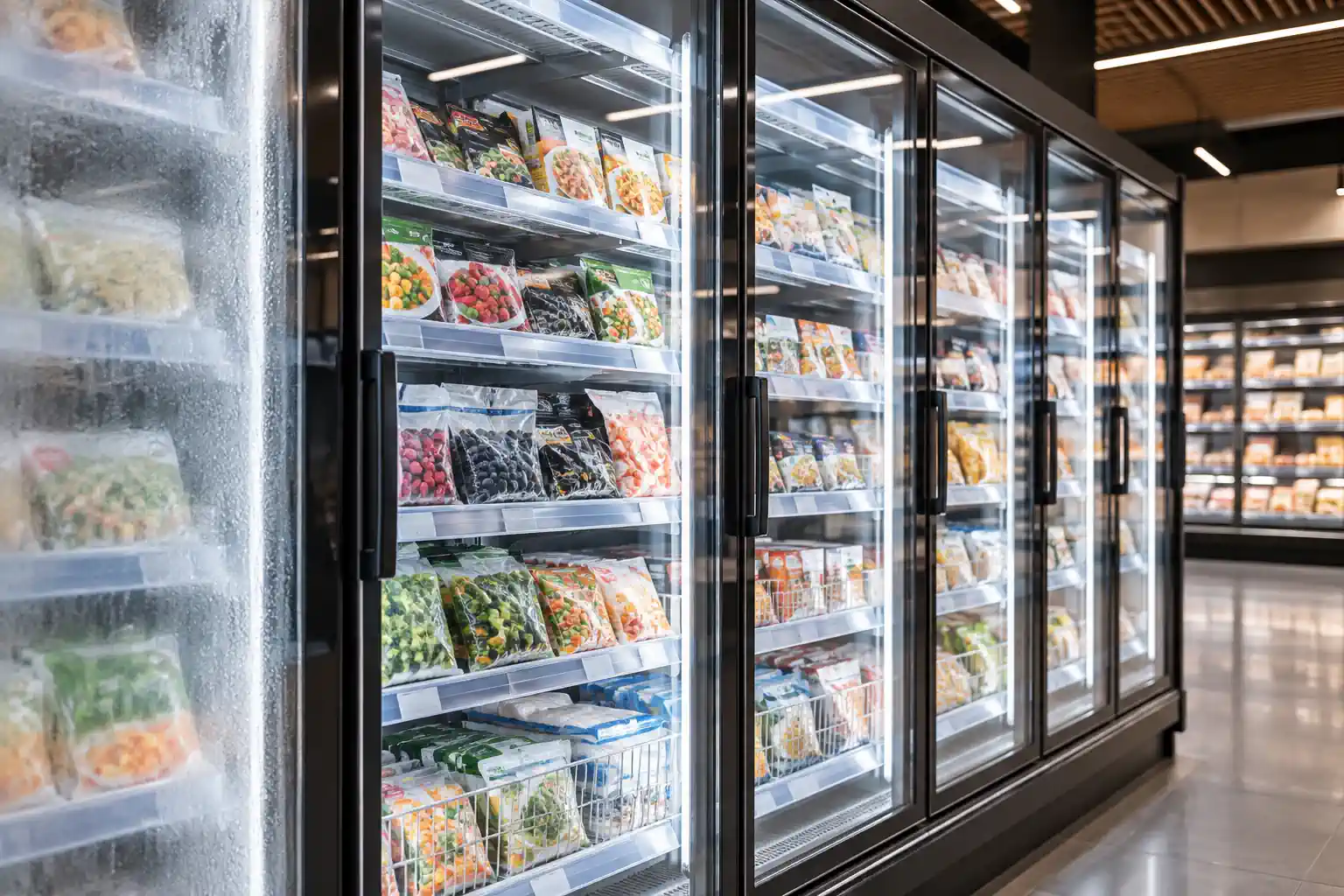
Freezer cabinets
Transparent doors for vertical freezers in stores and supermarkets. Heating prevents fogging after door opening and in high retail humidity.
TEC Heat Glass
Transparent electrically heated glass for refrigerated display cases, freezers, wine-storage doors, vending machines, and equipment that operates across temperature and humidity differentials.
Octoglass manufactures glass with a transparent TEC conductive coating and designs the heating system for the specific pane size, insulating-glass construction, and operating conditions.
A refrigerated display case constantly operates between two environments with a large temperature difference.
For example, inside freezer equipment the temperature may be −18…−25 °C, while the retail space is +20…+27 °C.
The outer glass surface cools. If its temperature falls below the dew point of the surrounding air, condensation and fogging appear on the surface.
This leads to several problems:
Anti-condensation glass solves this with uniform transparent electrical heating.
With a correctly calculated system the glass should not become hot. Its temperature rises only enough to keep the surface above the dew point.
A transparent electrically conductive FTO coating — fluorine-doped tin oxide — is applied to the glass surface by a pyrolytic process.
The coating is nearly transparent in the visible range while providing controlled electrical resistance.
Conductive busbars run along opposite edges of the glass.
When voltage is applied, current spreads across the conductive coating, which acts as a large flat resistive heater.
Unlike solutions with metal wire or mesh:
As a base material Octoglass primarily uses 3 mm sheet glass with an FTO coating. Other glass thicknesses may be used for some projects.
Transparent doors for vertical freezers in stores and supermarkets. Heating prevents fogging after door opening and in high retail humidity.
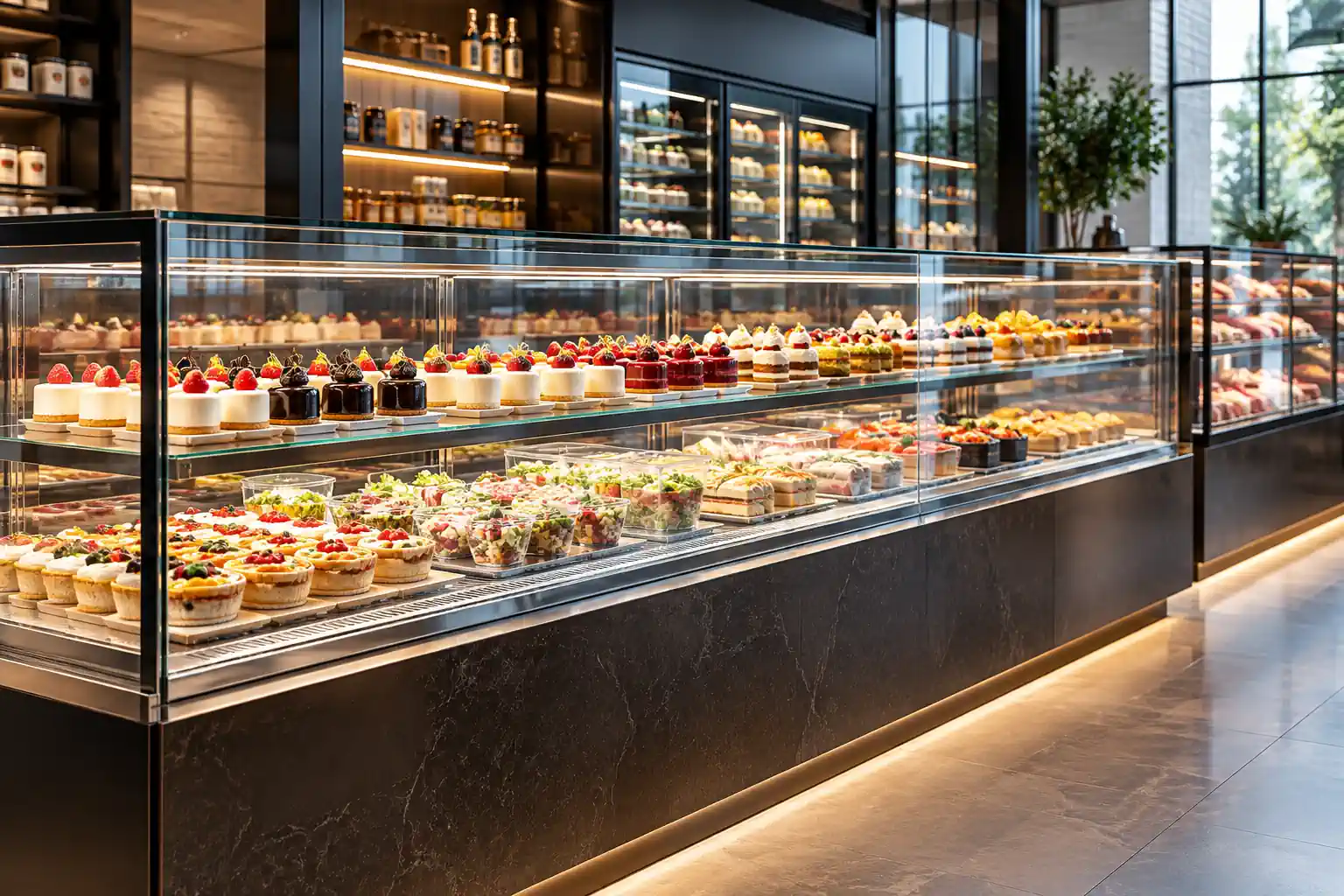
Confectionery, deli, meat, dairy, and other chilled display cases. Glass clarity is maintained even with a substantial temperature difference.
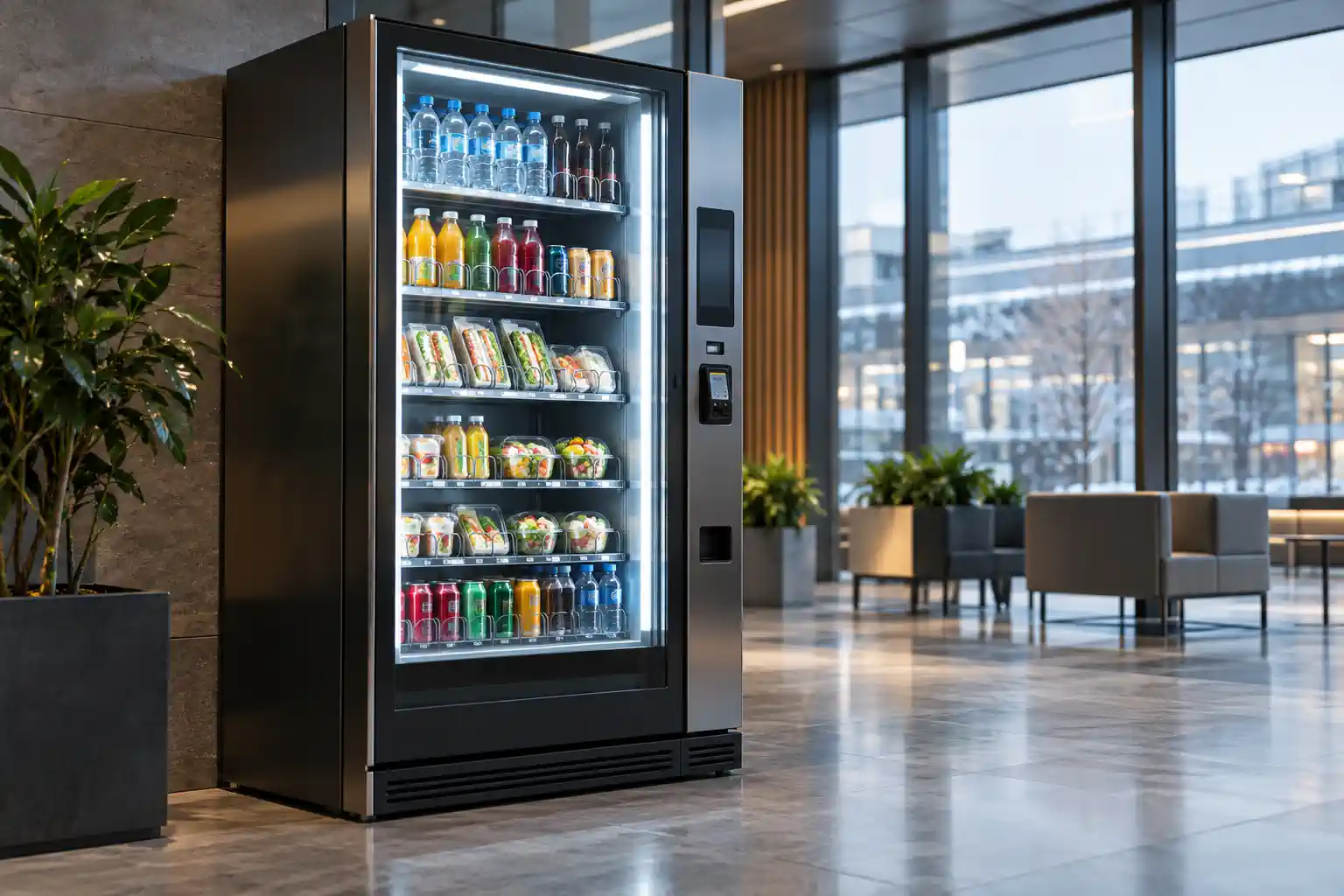
Machines with chilled drinks, food, and ready meals. Low-voltage supply enables a compact and safe heating system.
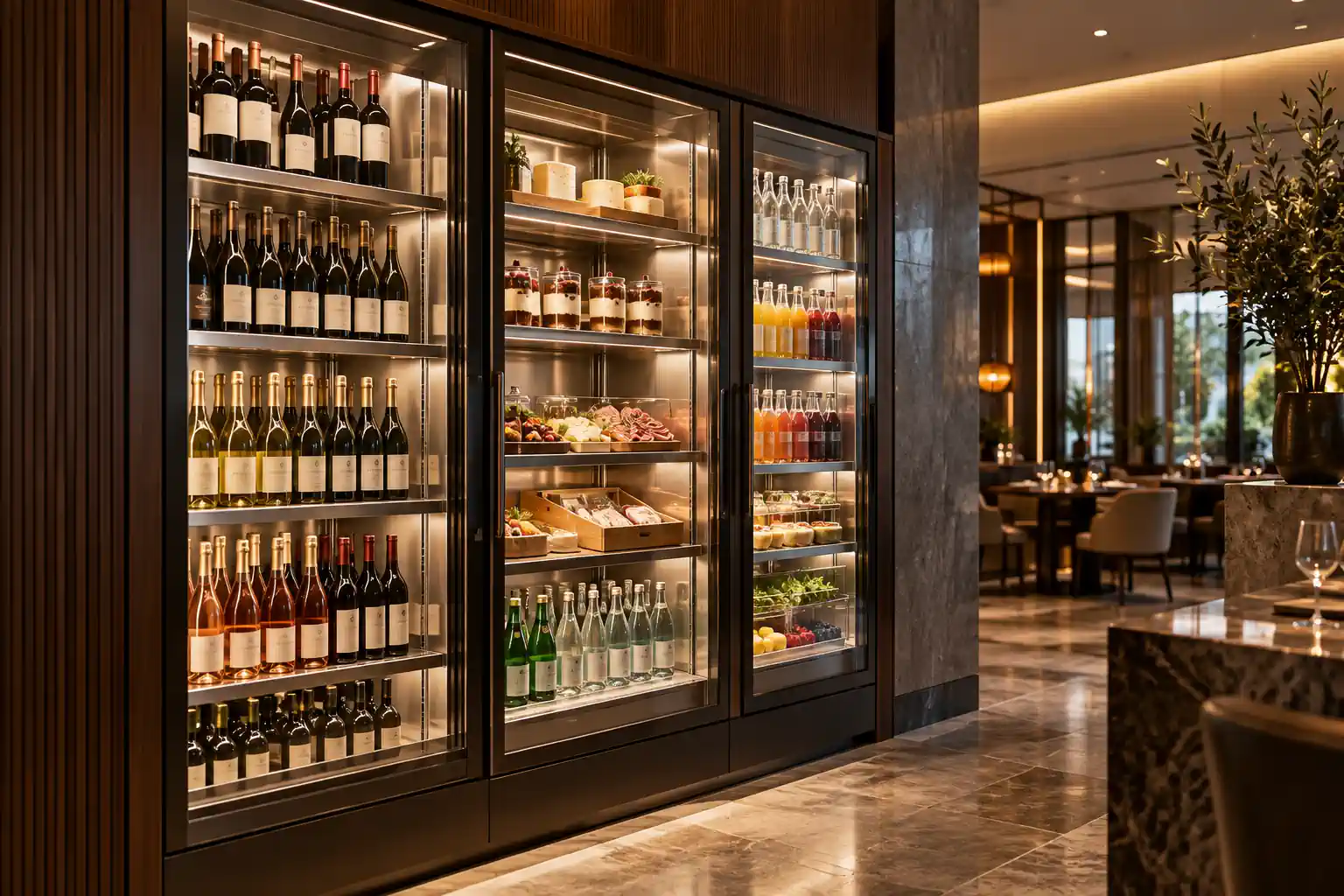
Equipment for restaurants, hotels, stores, and residential interiors where appearance matters. Transparent heating removes the need for visible heating elements.
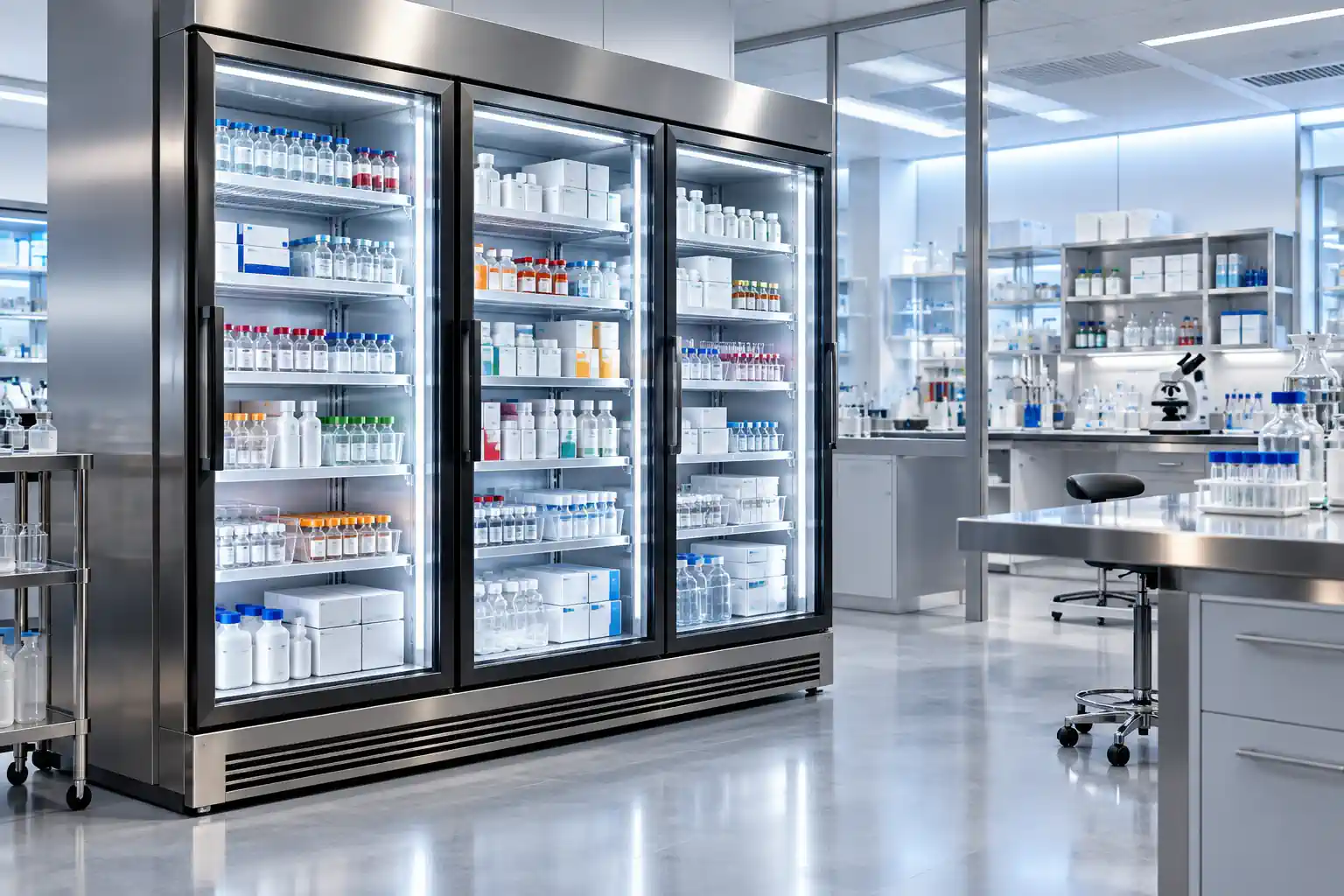
Cabinets for medicines, vaccines, and laboratory materials. Heated glass keeps contents visible without opening the door and prevents fogging during temperature swings.
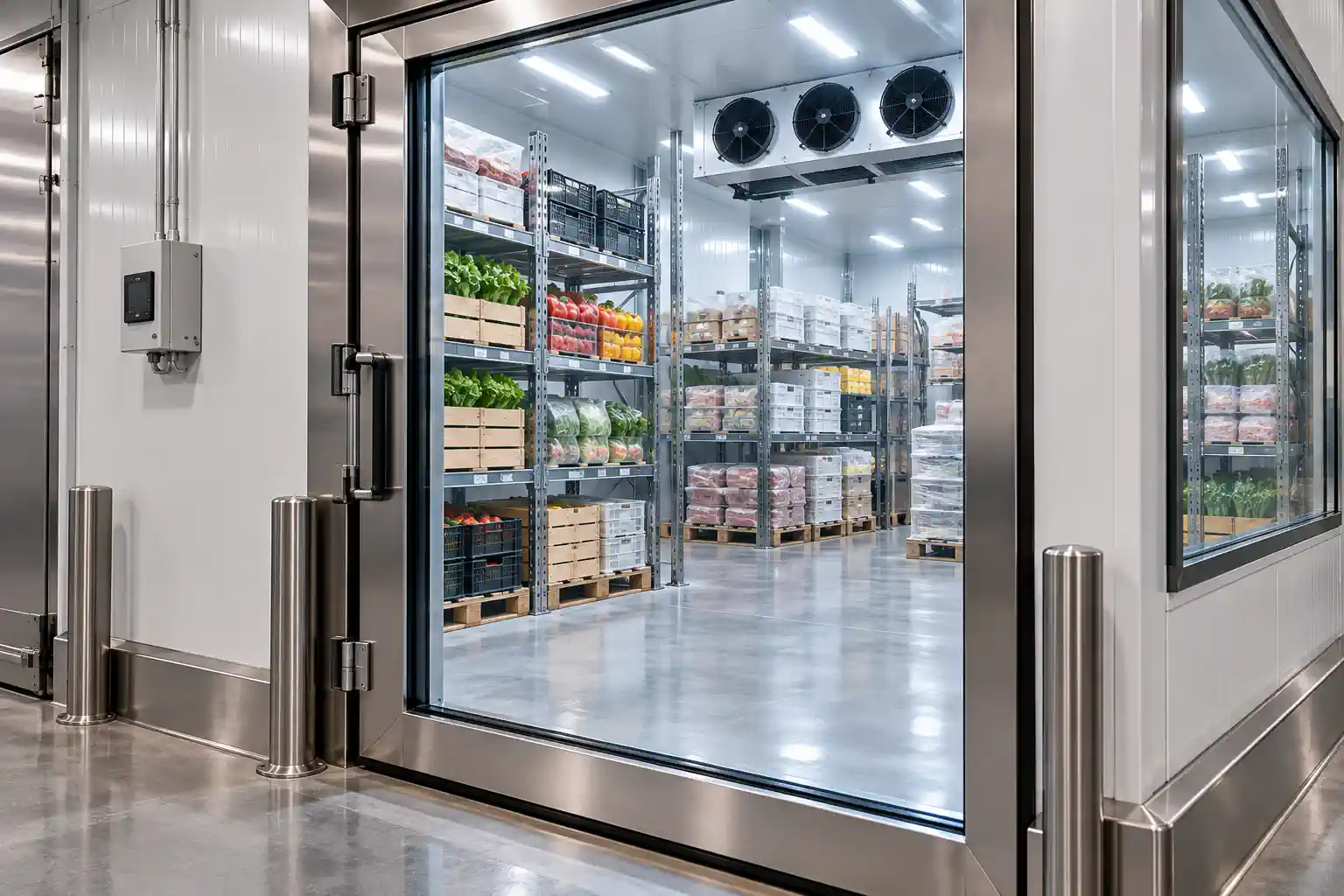
Viewing windows and glazed doors for cold and freezer rooms. Glass heating prevents condensation and icing on the warm, humid room side.
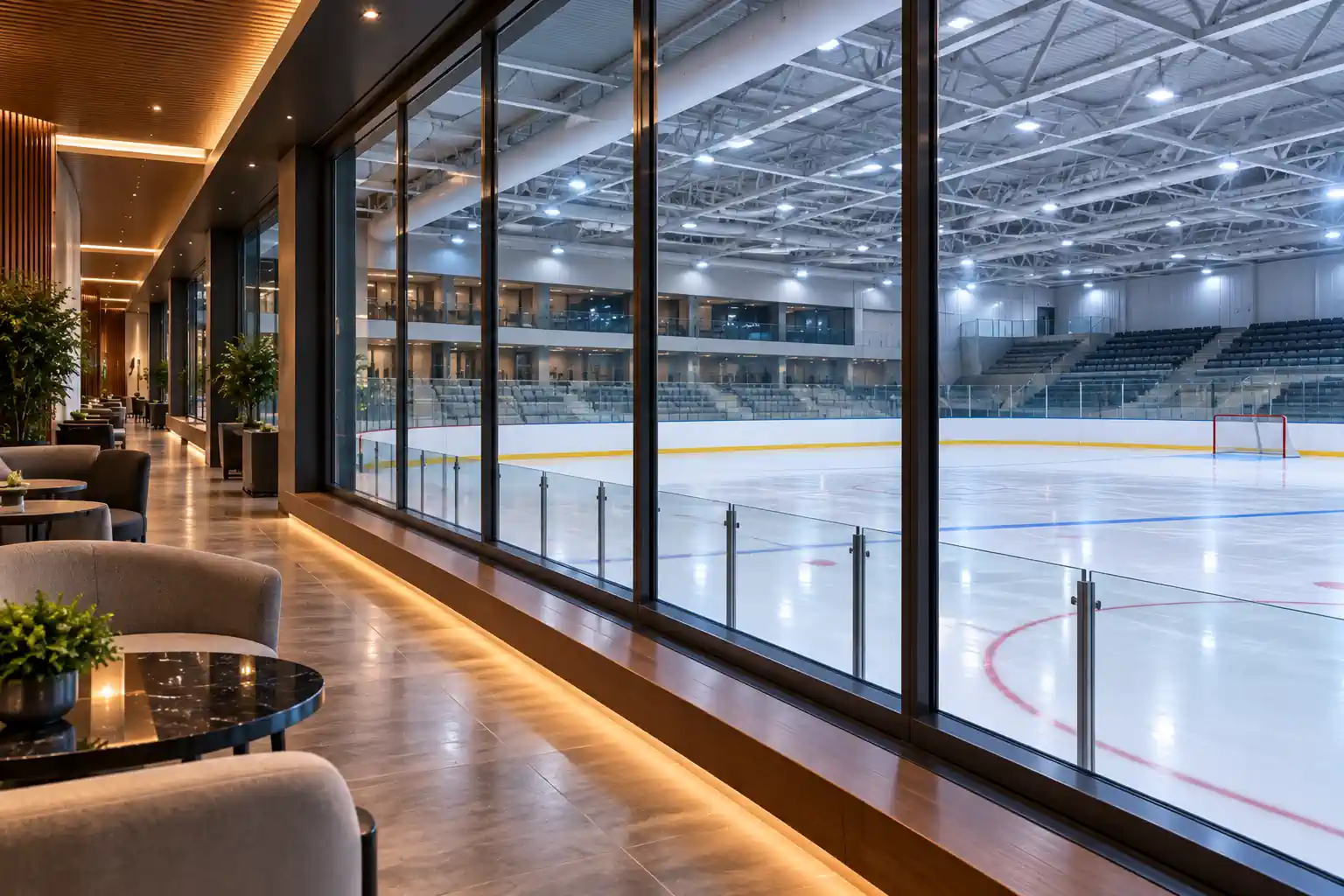
Glazing between spaces with a large temperature difference — ice arenas, cold halls, and warm public zones. Transparent heating keeps the glass dry and clear without visible heating elements.
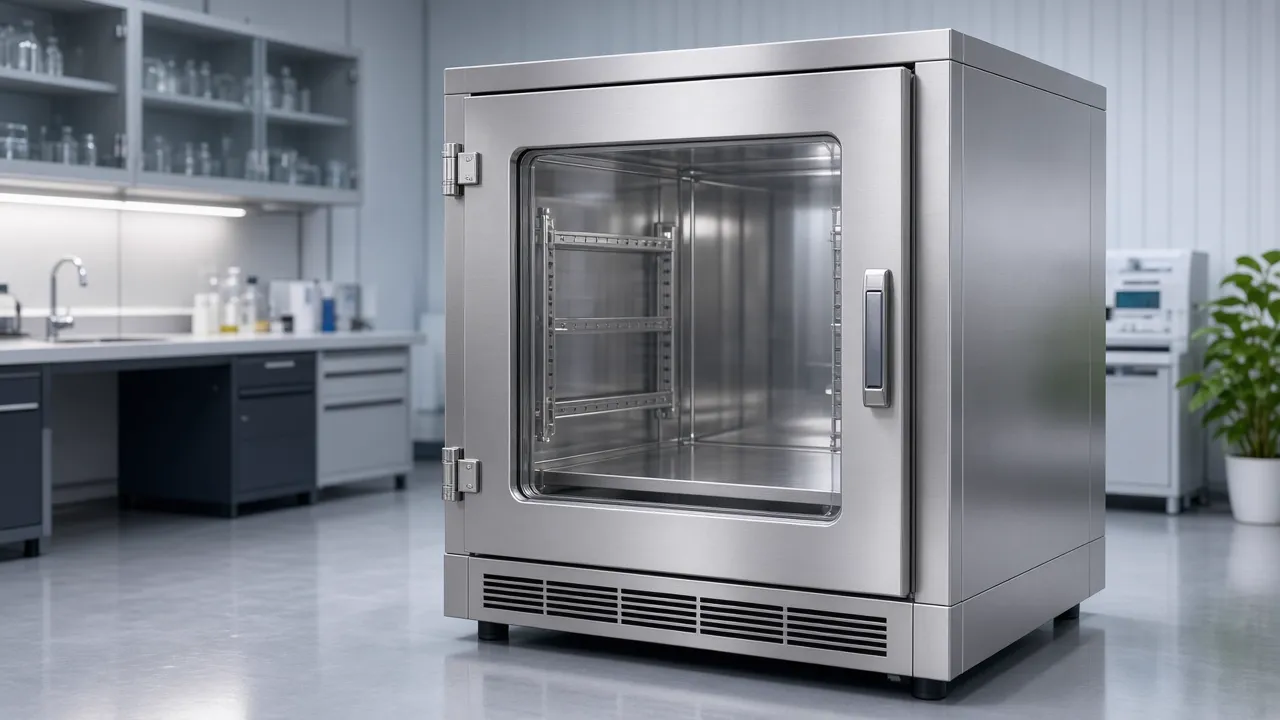
Climate chambers, laboratory setups, refrigeration units, process windows, and other equipment operating across temperature and humidity swings.
For freezers with a large temperature differential, a single- or double-chamber construction may be used.
Additional Low-E coatings may be used to reduce heat loss and lower the required heating power.
Recommended configuration
FTO-coated glass can also be used as a single heated pane. In that construction you must separately provide:
For refrigerator doors and display cases, an insulating glass unit is the preferred option. When an IGU cannot be used, the conductive surface must face away from people.
The FTO coating itself is an ordinary resistive load and can be heated from either AC or DC voltage.
For new developments Octoglass prefers low-voltage DC supply, because using high voltages — especially AC — can be unsafe both for electric shock risk and for electromagnetic emission from glass powered by alternating current.
Typical project options:
for smaller panes, vending, and constructions with a short distance between current busbars.
for large doors and display cases where current through wiring, connectors, and hinges must be reduced.
Operating voltage is not a fixed product characteristic. It is determined individually depending on:
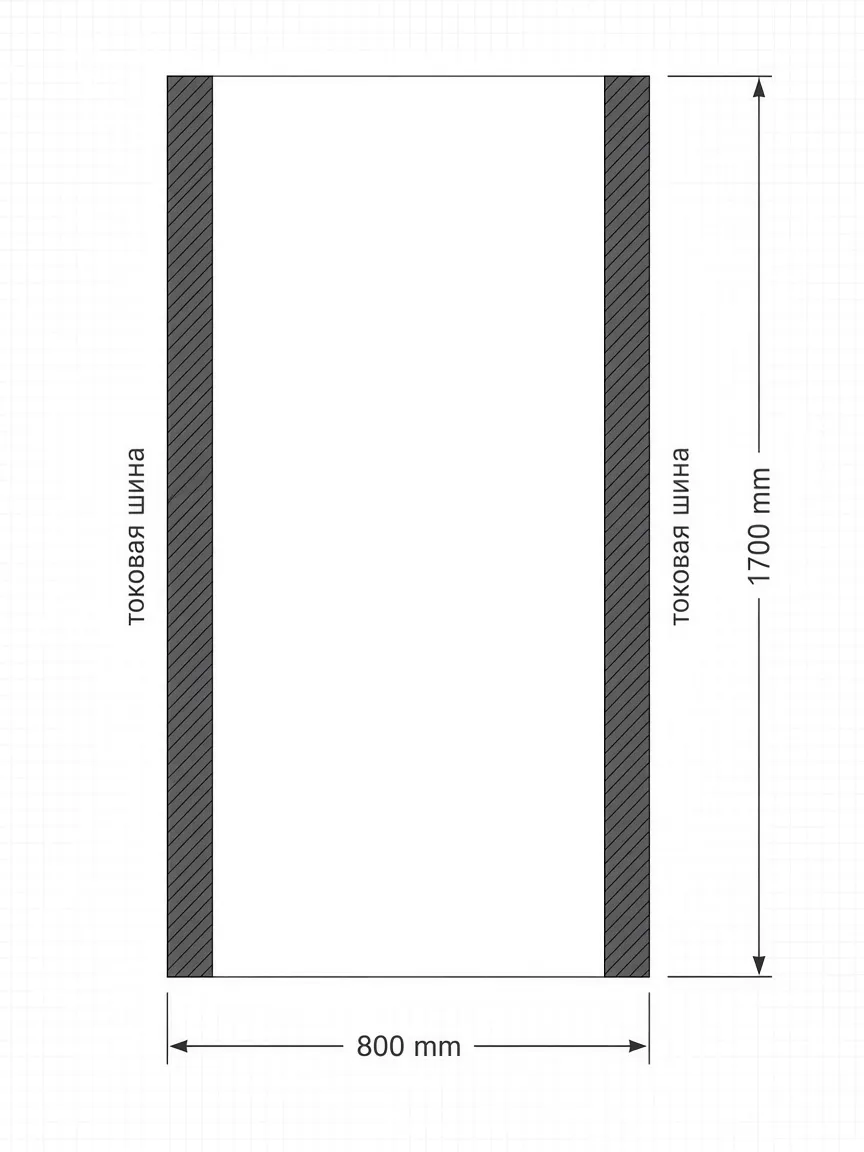
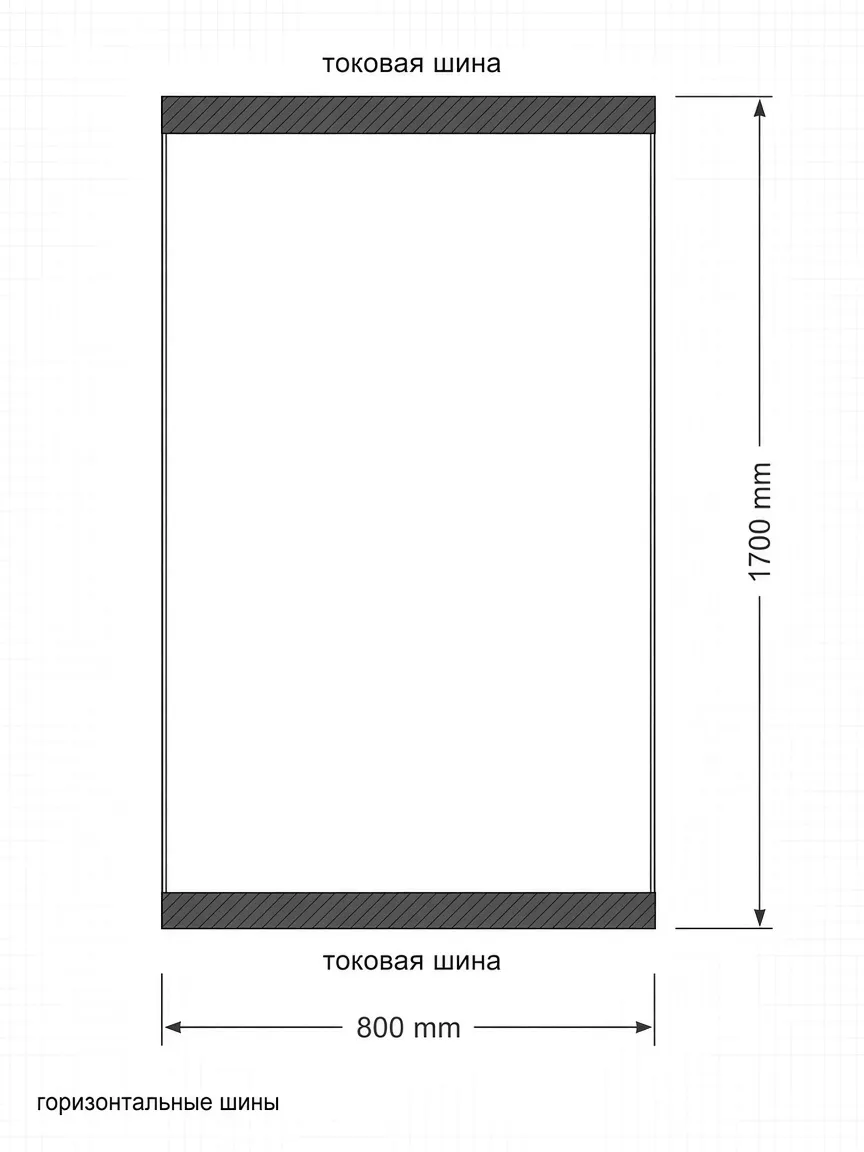
The calculation is an example only. Electrical parameters of a serial product are determined from the actual resistance of the specific FTO sheet and operating conditions.
FTO glass does not have to run at maximum power continuously. A dedicated controller manages optimal operation and includes:
The controller provides:
The controller can integrate with other retail or process equipment. The exact controller implementation depends on the customer’s project requirements.
| Configuration | Single- or double-chamber IGU, single pane |
|---|---|
| Coating type | FTO, Low-E |
| Sheet resistance | about 13 Ω/□ |
| Preferred supply | 24/48 V DC |
| Heating element | transparent FTO coating |
| Visible wires on the glass area | none |
| Regulation | electronic |
| Temperature control | optional |
| Humidity control | optional |
| Product size | custom |
| Geometry | per project |
| Current busbars | concealed in the edge zone |
| Connection | per equipment design |
Power and operating voltage are calculated individually for each glass size.
For large products, 24 or 48 V DC is preferred. The system may include:
Conductive busbars must be insulated from:
01
The customer provides:
02
Octoglass determines:
03
A TEC glass pane or IGU is manufactured with leads and a temperature measurement system.
04
The following are checked:
05
Based on testing results, the following are refined:
Architectural electrochromic glass — clear mode

Control of transparency, light, and privacy for architecture and transport.
Learn moreLaminated architectural glass
Multilayer glass for architecture.
Learn more
Solutions for energy-efficient glazing.
Learn moreCut blanks, edge processing (including polishing), and drilling per the project.
Learn moreDevelopment and adaptation of solutions to technical requirements.
Learn more