Laminated
Laminated glass, or triplex, consists of several glass layers bonded with a strong polymer interlayer. After a hard impact the glass may crack, but fragments stay bonded by the film and do not fly freely through the cabin. That helps reduce injury risk for the driver and passengers and keeps the window opening covered longer. A laminated construction suits not only windshields, but also side, rear, and panoramic glazing — depending on the vehicle model and project requirements.
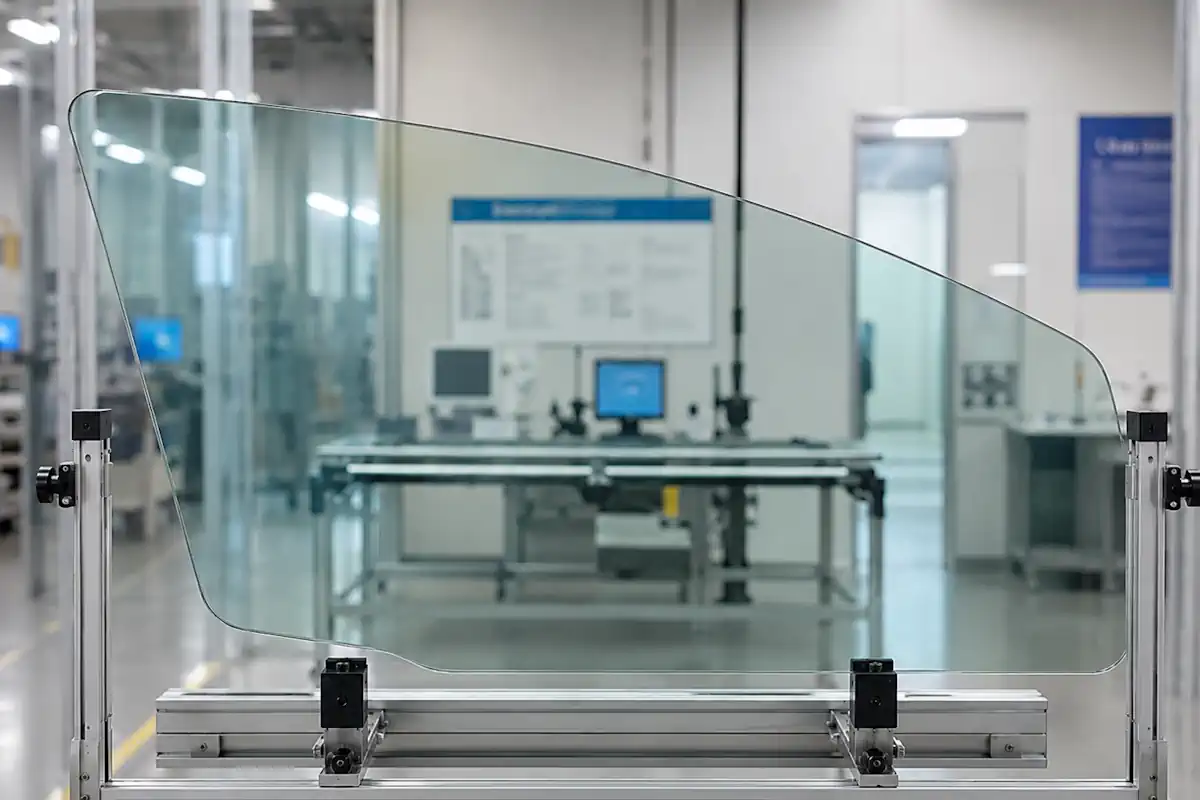
Laminated glass benefits
- Holds fragments after damageThe polymer interlayer binds glass fragments and keeps them from flying freely through the cabin.
- Improves safety in a crashSafer break characteristics help reduce the risk of cuts to the face, hands, and other exposed areas.
- Keeps the opening covered longerEven after damage, the glass can stay in the construction longer, protecting the cabin from the outside.
- Adds noise insulationMultilayer glass helps reduce road noise and makes trips more comfortable.
- Helps protect the interior from UVPolymer interlayers can reduce ultraviolet exposure, helping preserve upholstery and cabin trim color longer.
- Allows additional functionsTinting, heating, decorative elements, and other project-specified functions can be integrated into a laminated construction.
Base specifications
For a typical automotive laminated glass construction, Octoglass uses the parameters below as a baseline. They are the starting point when assessing a request and selecting a multilayer construction for a specific model.
- M1 glass, 2 mm thick
- EVA/PVB lamination
- Light transmission >85%
- Weight — 10.3 kg/m²
These values describe the base configuration and do not lock the project to a single option. Depending on the order, other glass can be used — both by thickness rating, for example 1.7 mm, 1.5 mm, or 0.5 mm, and by tint characteristics, for example low-iron (extra-clear) glass.
The exact layer stack, polymer interlayer type, and finished thickness are agreed during project preparation, based on OEM glass geometry and requirements for optics, mass, and operating conditions. If needed, ionoplast lamination or chemical strengthening can be used — that is a different product, Octoguard®.
Made for a specific model
Size, shape, thickness, and multilayer composition are selected for OEM glass geometry and finished-product requirements. Octoglass manufactures automotive glass to custom parameters and supports the project from construction selection through finished product release.
01
Collect vehicle data
02
Select the construction
03
Produce the glass
04
Quality control
Minimum order quantity starts at 25 units. Manufacture under your brand (Private Label) is available.
Frequently asked questions
What information do you need to assess a request for this product?
Can we discuss the task before a formal request?
If I need a single laminated glass pane for my car, can I contact you?
Can you manufacture glass under the brand I need?
Related products and services
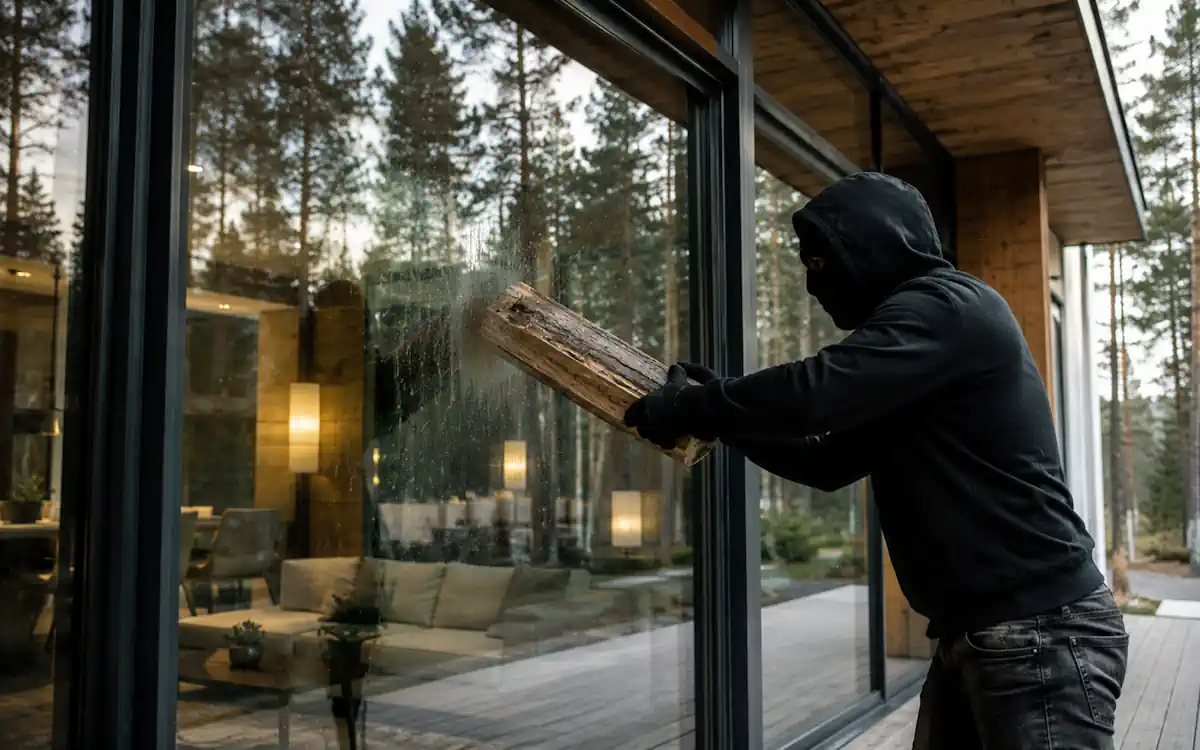
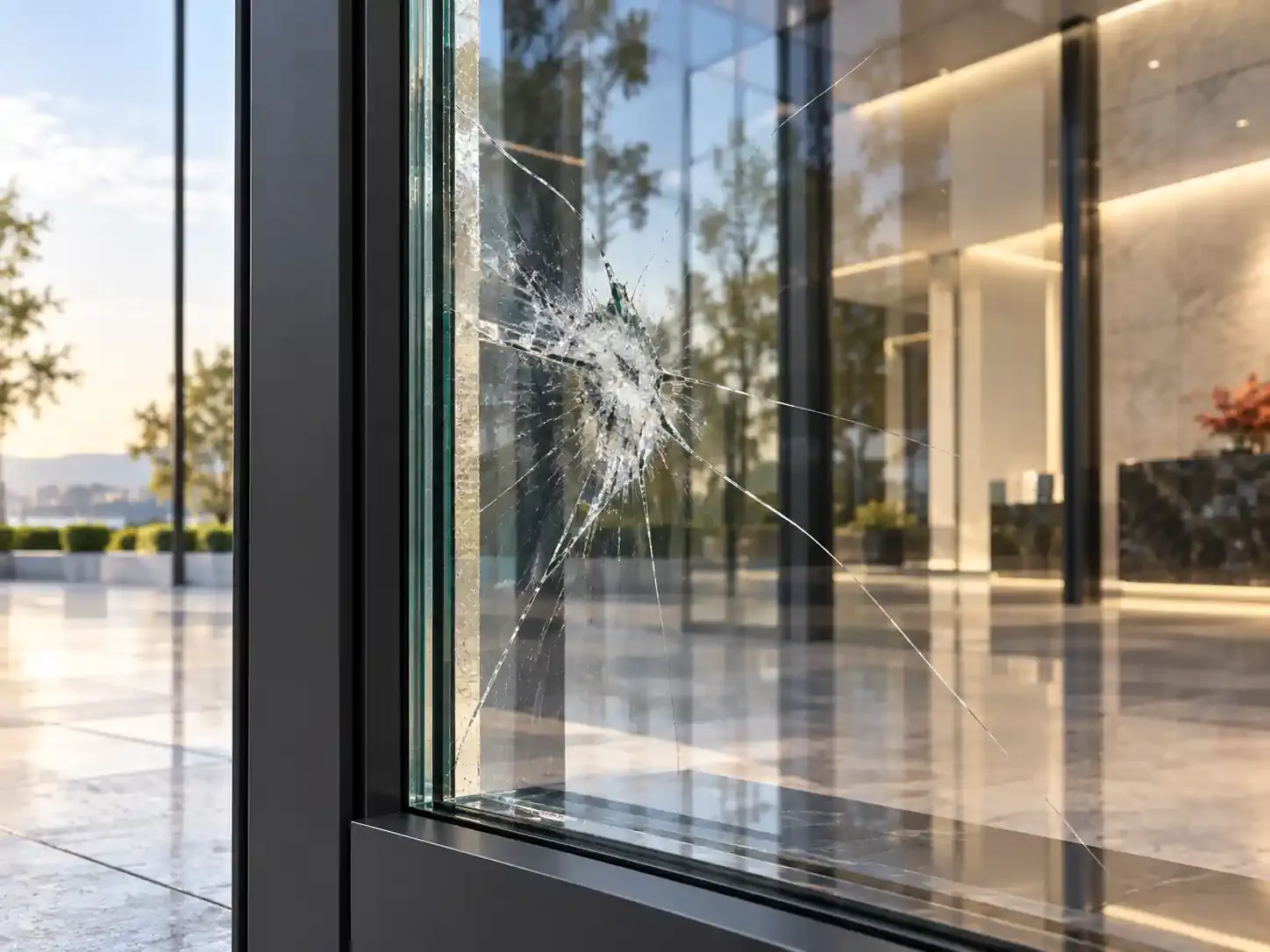
Attempted break-in against Octoguard® architectural glass with a log — the pane holds
Octoguard®
Anti-vandal, impact-resistant, strengthened, and burglar-resistant glass for architecture and vehicles.
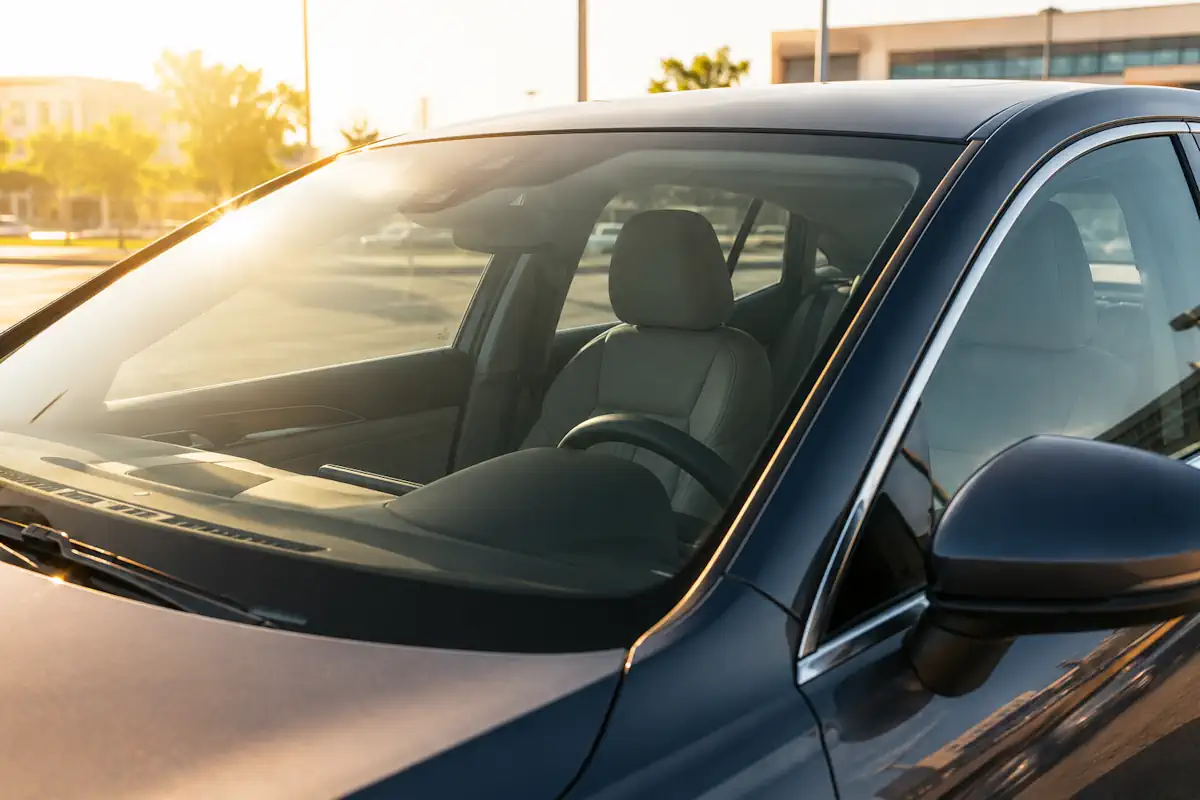
Learn moreCar windshield in bright sunlight

Climate-control glass
Comfortable cabin temperature without heavy tinting.
Learn more
Glazing retrofit
Custom glazing for cars, watercraft, and other vehicles when glass is unavailable or prohibitively expensive.
Learn more