At Octoglass, alongside experimental work, we not only model electrochemical systems using our own models but also apply fully computational chemistry methods to determine how substance molecules behave under complex conditions. Calculation methods and modeling shorten the path from idea to synthesis and practical testing.
Application of modeling and computational chemistry
Octoglass combines proprietary modeling with computational chemistry to predict how molecules behave under complex conditions, shortening the path from idea to practical testing.
Related news
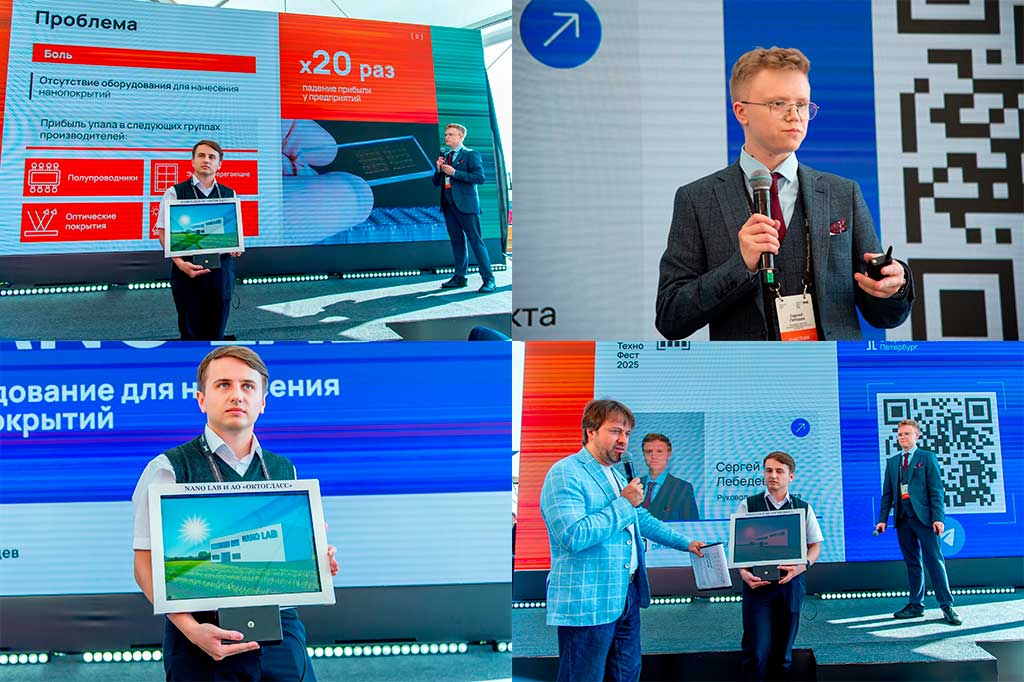
SPbGTI(TU) postgraduate Sergey Lebedev presented an innovative electrochromic glass control system at EnergoTechnoFest-2025 with Octoglass support
A control system developed by SPbGTI(TU) postgraduate Sergey Lebedev for large-format electrochromic glass ranked among the top 10 finalists of the Energy Technology Hub Incubator and was tested at Gazprom Neft facilities with Octoglass's support.
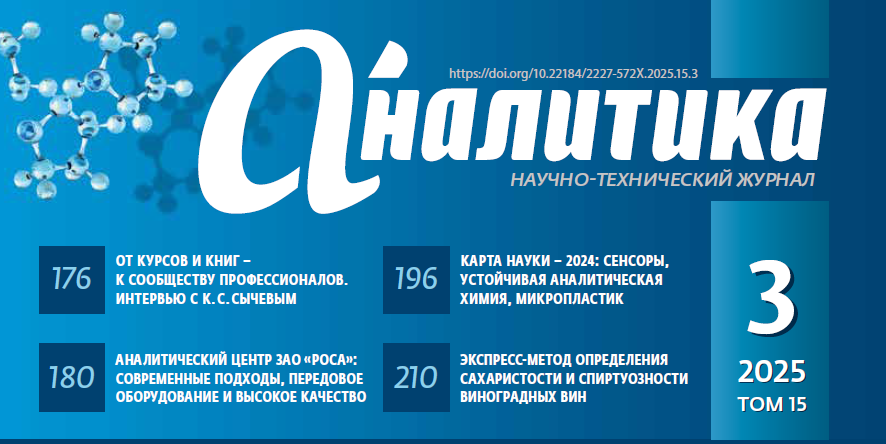
Scientists present a revolutionary method for controlling large-area electrochromic devices
Researchers from Saint Petersburg State Institute of Technology and AO Octoglass developed a charge-discharge control method that sharply improves uniformity in large-area electrochromic devices.
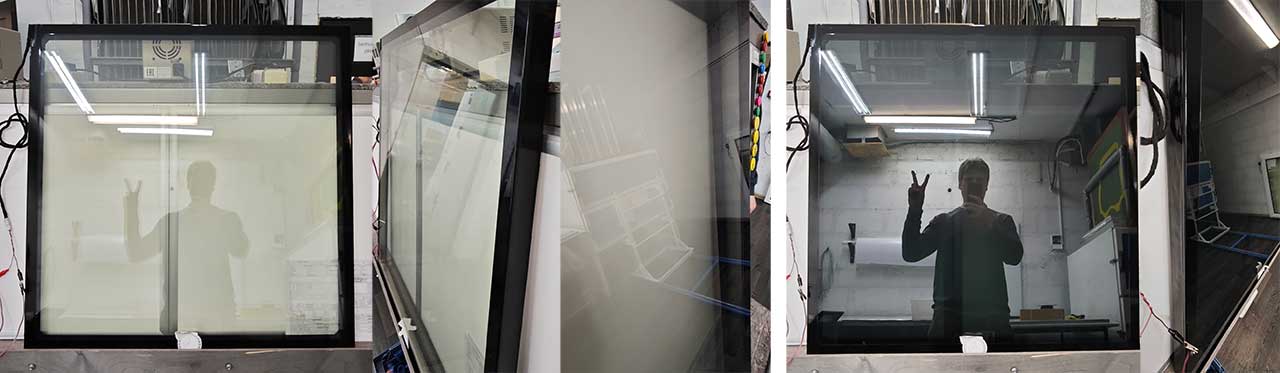
Octoglass electrochromic insulating glass units — now available to customers
Octoglass begins shipping its first electrochromic insulating glass unit, which lets customers adjust solar gain, reduce screen glare, and improve thermal insulation.